So what’s all this fuss about native plants? What does it matter? Why should you start using natives in your yard? Glad you asked! I have a lot of thoughts!
And before I get going, I want to qualify that if you currently have no native plants in your yard, you are not a bad person. I won’t judge you! The “rules” for what makes an attractive home landscape are deeply embedded in our culture, passed down from our parents, and even strongly reinforced by our neighbors– if they aren’t doing it, will I stick out? Be judged? My sanity questioned? Plus trying something new takes time and effort, and if you’re busy with your little kids or taking care of your elderly parents, or working at a hugely demanding job or doing all three and any other combo of work in 2026 America (saving democracy, anyone?), I see you! Maybe this is not the season of your life to convert your backyard into a native prairie.
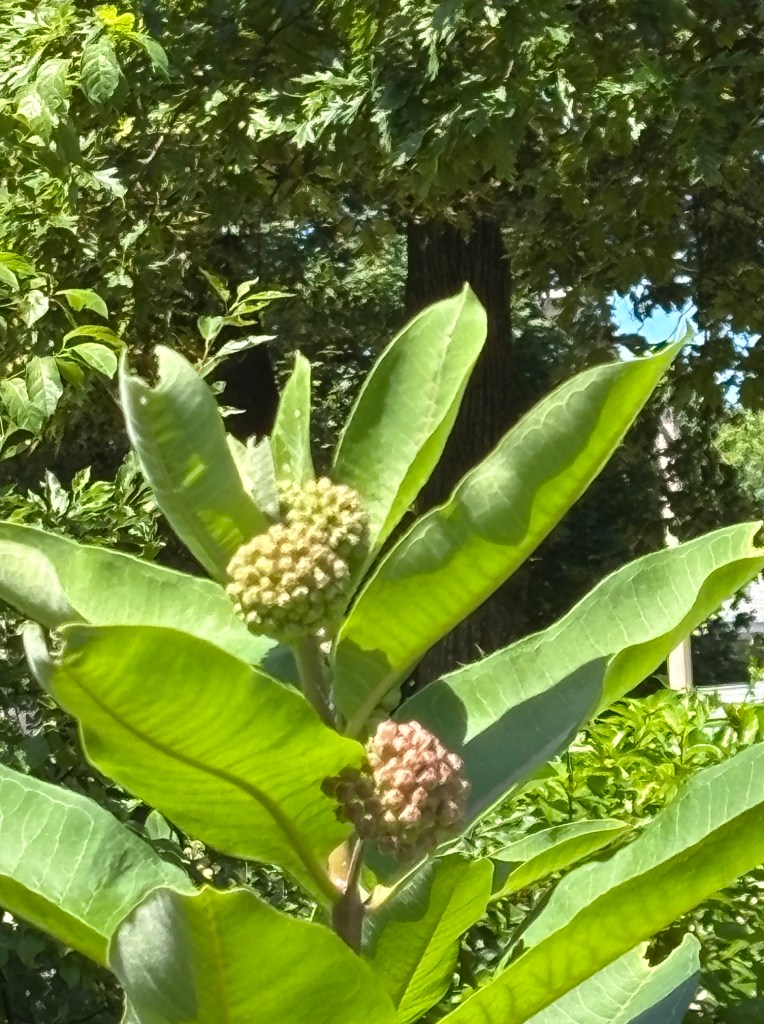
Another caveat: If you are game, it’s okay to start experimenting with one native plant in your yard. Converting everything at once is daunting! (Though kudos to you if you have done this or are planning to!) Just choose one plant in one spot and see how it behaves and watch it for a bit. Like plant butterfly milkweed in a container on your patio. Or put Joe Pye weed up by your fence in the back of your garden. Then maybe next month or this fall or next spring, add another native plant and watch that for a bit. My own yard is probably a 50/50 mix of natives and edibles/non-natives. I’ve evolved it over time. And every year, I try a new plant or two.
Okay, so those are the caveats…let’s get down to the theme of this blog, which is why native plants belong in our yards. And it starts with a bit of history.
Here in Illinois, we live in “The Prairie State” — for thousands of years, people here enjoyed a very unique landscape of unmatched beauty and abundance. Near the rivers– Fox, Des Plaines, Illinois (although they had different names back then)– there were beautiful forested areas. Farther away from the waterways, there were large expanses of prairie full of swaying tall grasses and flowers. The prairie literally looked like an ocean of flowers and grasses, with waves running through them when the breeze blew.
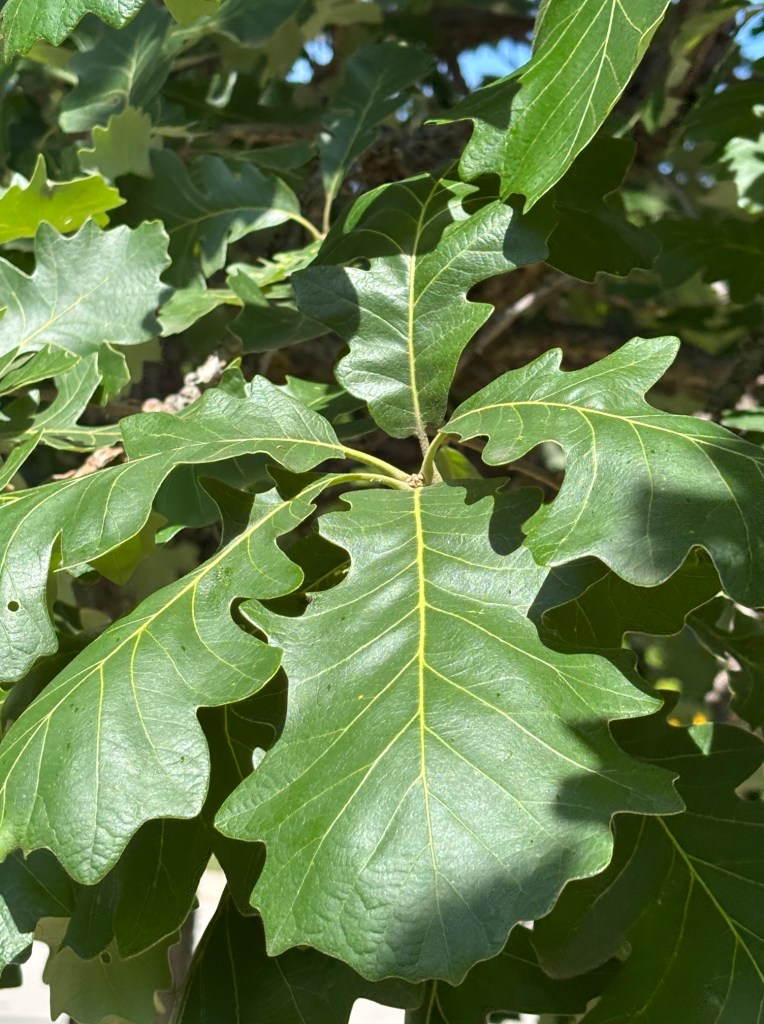
These plants evolved with the insects and wildlife around them. Monarch butterflies, goldfinches, indigo buntings, swallowtail butterflies, as well as bison, and countless kinds of bees and other insects. By setting the prairie patches on fire, the people grew larger and larger prairie areas and kept them tree-free. (The one tree that could withstand fire was bur oak, with its thick corky bark.) The people hunted the bison and other animals that grazed in the prairie. It sounds like easy living ! Literally millions of acres of garden providing everything the people needed. Aside from the center of our continent, nowhere else on earth had this type of ecosystem. When European settlers came to the Illinois territory in the early 1800s, there were many accounts of how beautiful the prairie was, and some people traveled very far to come and experience it.
“As to scenery (giving my own thought and feeling), while I know the standard claim is that Yosemite, Niagara Falls, the Upper Yellowstone and the like afford the greatest natural shows, I am not so sure but the prairies and plains, while less stunning at first sight, last longer, fill the esthetic sense fuller, precede all the rest, and make North America’s characteristic landscape.”
— Walt Whitman
The US government forced the native peoples off their land through battles and fake contracts. Within a couple of decades, after a plow was invented that could rip through the deep peat of the prairie, this landscape disappeared from our state. By the mid-1800s, virtually all the prairie was plowed for farming, the forests cleared to make roads and housing, and wetlands drained for land development. The bison, the animals, the birds and the insects — nearly all vanished or plummeted in numbers. At the same time, these settlers brought with them the plants and animals from home that were familiar– so we have Scottish grass in our lawns. Buckthorn from Europe to make hedgerows along farm properties. Sweet-smelling honeysuckle from Japan. These began taking over what was left of our natural areas. The landscape had become unrecognizable from what it once was.
Fast forward to the 1960s, we started caring again about clean water, clean air, clean soil and the fate of our native birds and other wildlife. We started putting laws in place. The Environmental Protection Agency was created. People got curious and learned from native peoples as well as through science and experimentation. A whole new science was invented in Wisconsin– restoration ecology — to understand what used to be here, and how to bring it back.
Then in the 1990s, many scientists became alarmed, seeing that further land development, the pervasive use of pesticides and climate change could really harm our remaining small wildlife and plant populations. They were afraid mass extinctions would cause not only lost beauty in the world, but also even impact human health. If insects and birds were not around to pollinate food crops, for example, what would happen to agriculture and our food supply? If trees died out due to climate change, what would happen to human communities that depended on them for shade, storm water uptake and air cleaning? In a world quickly heating up, would clean drinking water become the new “oil” that would start wars?
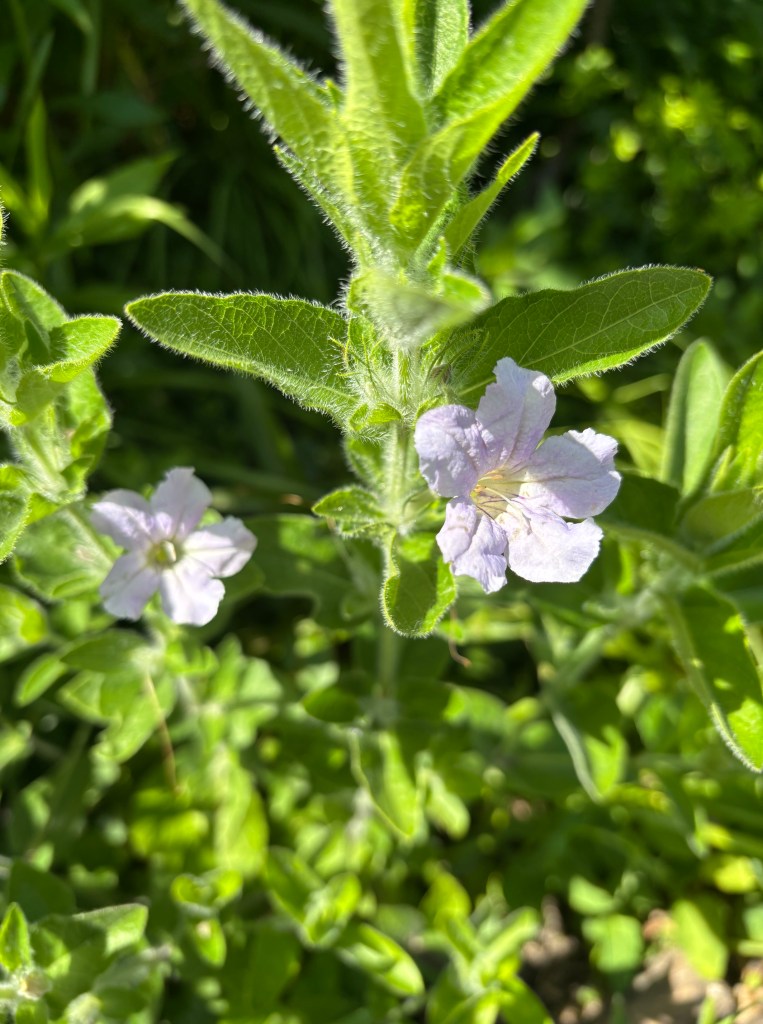
Other scientists focused on solutions that could heal our landscapes. Planting native trees and plants is one of those things nearly anyone can do. (Even if you rent or live in an apartment, you can put a container on a balcony or join a park or forest preserve restoration team.)
Thinkers like Robin Wall Kimmerer, an enrolled member of the Citizen Potawatomi Nation and botanist, have begun helping people understand that our relationship to nature should be more like a gardener and less like a boss. We are of nature, not separate from it.
And scientists like Doug Tallamy, who studies insects, are showing us how to literally “bring nature home.” Our national and state parks and forest preserves aren’t large enough to provide the critical habitat needed to maintain insect and wildlife populations at healthy levels. Tallamy has begun a campaign for “Homegrown National Parks” and envisions every suburb and city being safe harbor for wildlife.
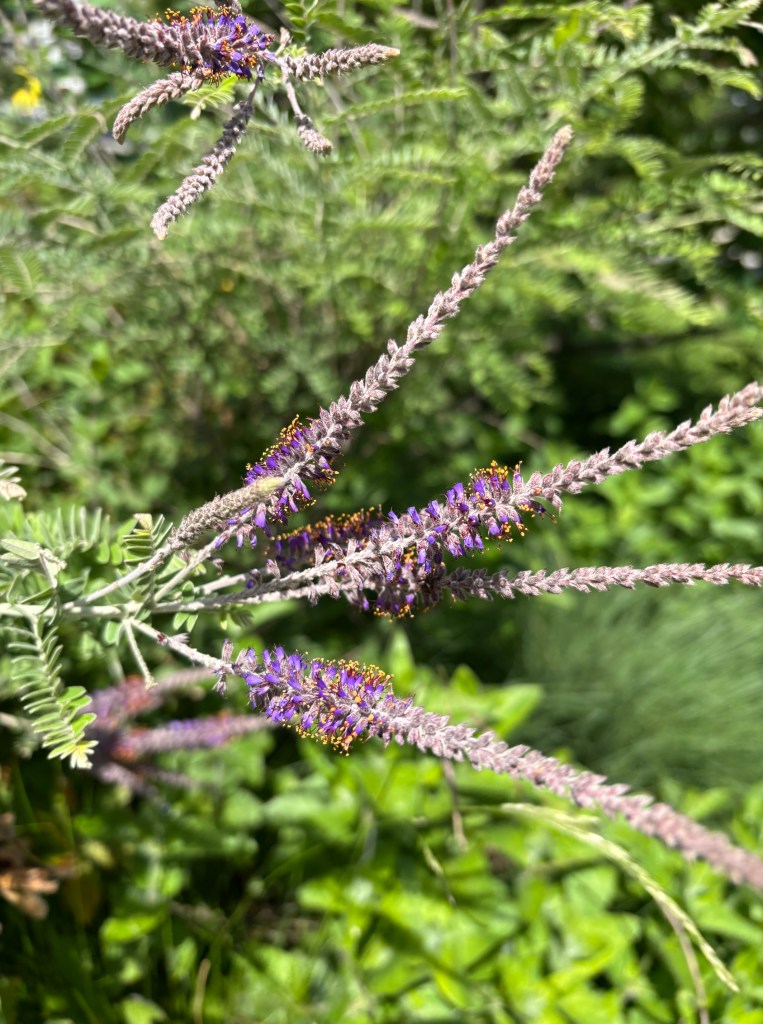
This is where native gardening comes in…and why it’s so exciting and powerful, not to mention rewarding. You can (and should) become a part of this movement. It’s not expensive. It’s not difficult. And like I said above, we’re not going for perfection. We’re going for progress. Even planting a few milkweed plants can make a difference. Or plant a fragrant spicebush in a sunny spot or button bush in a wet spot. Whatever you do, it’s certain to be rewarding as we all begin to see more butterflies, more bees and more birds in our communities.
And if you are curious about what the prairie might have looked like 300 years ago, you can visit it! A 20 minute drive from Oak Park is Wolf Prairie, a “remnant” prairie that was never developed. It’s where I first fell in love with the plants of the prairie. The Morton Arboretum has Schulenberg Prairie, which was created by a pioneering ecological restoration effort begun in 1962. Further afield, try Nachusa Grasslands in Central Illinois; it has 4,000 acres of grasslands and restored prairie, with a bison herd to boot!
For futher reading:
A Natural History of the Chicago Region by Joel Greenberg
Bringing Nature Home by Douglas W Tallamy
Braiding Sweetgrass by Robin Wall Kimmerer
Pollinators of Native Plants by Heather Holm
Illinois Wildflowers by Don Kurz


Leave a Reply