I know, the world is a mess right now. It’s easy to feel confused, afraid, enraged (fill in your negative emotion of the day/hour/minute) in spring 2026.
With soaring gas prices, people being swiped off the streets, a super-charged hot spring, and dangerous conflict in the Middle East, I feel unmoored—not sure how we got here or what life will look like 12 months from now.
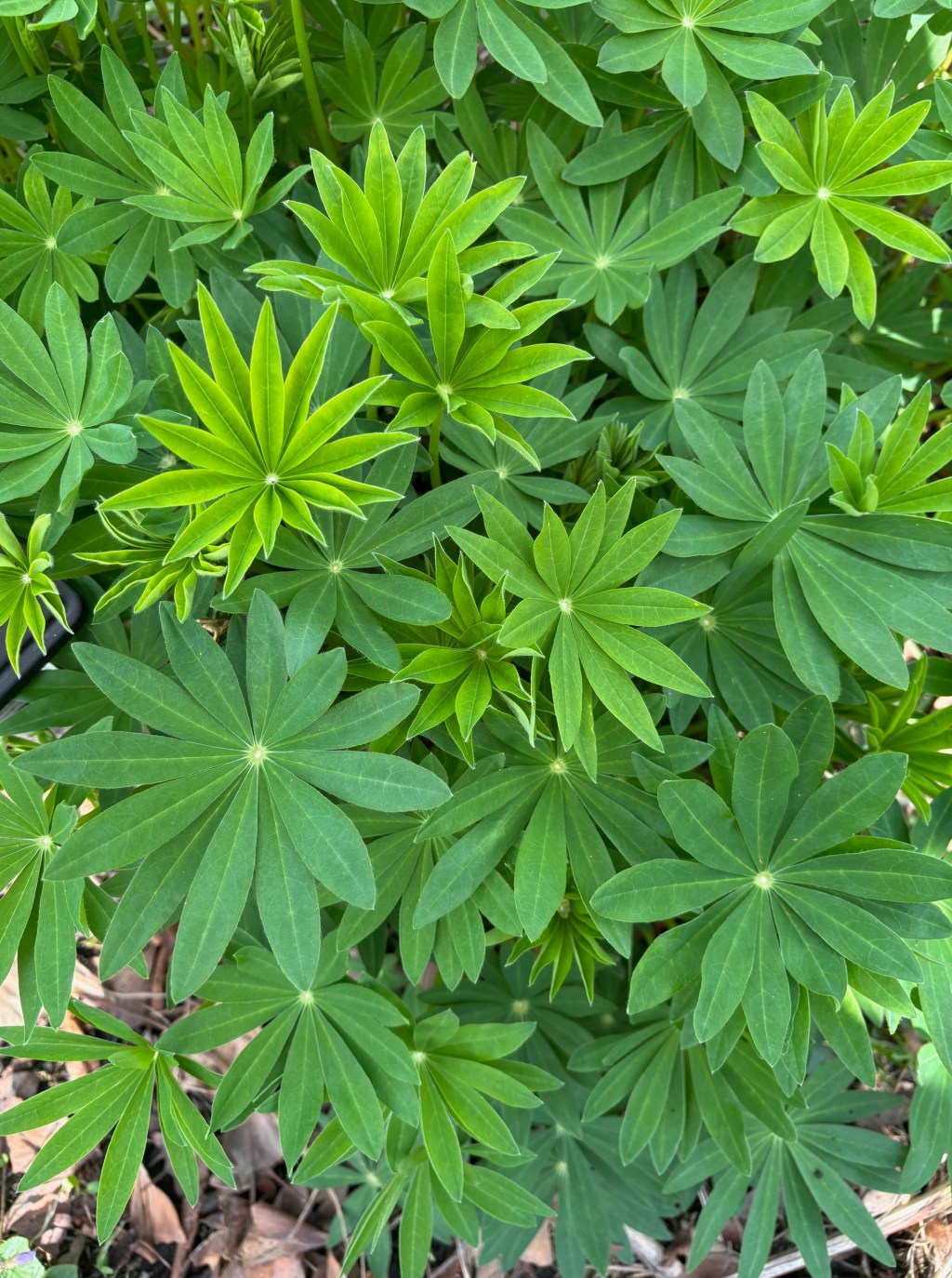
So I’m turning toward the things that keep me anchored. Native gardening is one of them. It sounds crazy and unconnected, but it’s a powerful way to center yourself and keep your mood, if not optimistic, at least hopeful.
This post will talk about the power of native gardening. In the weeks ahead, I’ll also take deep dives into individual plants — their natural history, beauty and use in the landscape — as well as more specific how-to advice and resources for incorporating native plants into your landscape.
Here are some powerful reasons to try native gardening…
Native gardening encourages mindfulness.
Mindfulness – honoring the present moment with your attention – is an effective antidote against depression and anxiety, according to research. And a native garden, with its ever-changing palette of textures and colors, beckons your attention.
Unlike annual flowers—petunias, begonias, marigolds, etc. – native plants have a shorter bloom time. As a result, a native garden continually changes as new plants take the stage—from spring ephemerals like Virginia bluebell and Jacob’s ladder (two of my favorites) to summer standouts like purple coneflowers and fall blooms like goldenrod. In the space of 6 months, my garden moves from blue to pink to yellow!
Whenever you walk out your door, you will definitely notice something new that will grab your attention and make you slow down and savor the magic of nature.
Native gardening heals our ecosystem.
Planting a native garden routinely makes it to lists of the top ten things you can do to improve the environment.
So many of the things we do — whether its driving, making landfill waste, shopping for things made and shipped thousands of miles away — damage our air, water and soil.
Our local wildlife and soil evolved with native plants. When you plant them, you’re building soil, you’re cleaning and absorbing rain water, and you’re cleaning and even cooling the air (this deserves a whole blog post of its own—stay tuned!). You’re feeding caterpillars, enticing butterflies, providing food for birds and other beneficial insects and organisms.
Native gardening connects you to the delights and peace of nature.
Research shows that digging in soil is good for our immune systems. That’s right, playing in the mud helps heal you!
And even walking in or viewing nature encourages focus and even healing, scientists say. Why? We humans evolved outdoors and our nervous systems crave that stimulation.
Whenever I pick a serviceberry from my front yard in June and pop it in my mouth (it tastes like a raspberry and looks like a small blueberry), it’s a hit of dopamine.
When I pass by my spice bush I grab a leaf, crush it, and lift it to my nose—its sweet fragrance delights me for the next 30 seconds.
Not to mention, all the butterflies, birds and fantastic insects that visit. The other day I saw my first black swallowtail of the season—so exciting and gratifying!
Native gardening is not expensive.
Sure, like most things, you could spend a ton of money buying mature native plants, hiring a garden designer and such. But native gardening is actually an amazingly inexpensive DIY project.
There are native plants societies all across the US – Wild Ones is the one I belong to—that offer free educational programs, free seed swaps and affordable plant sales.
It’s also a fantastic way to get to know neighbors who have plants you’d like to grow – collecting seeds from their plants is super easy—and propagating them, with a little knowledge from the internet, can be pretty straightforward (though some seeds might be a little finicky). Even starting with 3-5 plants can bring you a bunch of fun—and some will self-seed or spread, giving you more plants from one happy little plug.
Native gardening builds resilient communities.
As the children’s musician Raffi says, “The more we get together, the happier we’ll be.” Some of this was covered in the point above—native plant gardeners are a social bunch. Especially those of us who have been doing it for years: we love sharing what we know.
Gardening is a great way to get to know people in your community and be less lonely. Swapping stories, visiting each other’s gardens and sharing hot tips about deals, info sessions and workshops is a lot of fun!
So if you are sitting around, feeling your feels about our hurting world, google native plants and your town or county and see what pops up– could be a plant sale, a library program, a presentation by your village… Native gardening isn’t the answer to all the world’s problems, but it’s a pretty potent antidote to despair.
Grow some native plants this summer and see how it opens your heart. As you connect with nature and your community, you may just find you have a little more resilience than you started, and a little more energy to address the world’s hurts in other ways.
Thanks for reading. What do you think? What do you do to reduce stress and find anchoring during hard times? Have you tried native gardening? Are you curious about it? Write me a note in the comments!


Leave a Reply